Research Programme
Active projects, mechanism, phenotype, therapeutic landscape and the research roadmap.
Explore the research →
Research • Collaboration • Funding • Awareness
The TTC19 Research Initiative is building a focused research programme for TTC19-related mitochondrial Complex III deficiency. We are bringing together families, clinicians, scientists and supporters to help accelerate credible progress.
Build the evidence base and identify credible therapeutic opportunities.
Connect researchers, clinicians, families and organisations.
Create routes to fund targeted research-enabling work.
Make an ultra-rare disease visible enough to attract action.
Why TTC19?
TTC19 is a nuclear gene linked to mitochondrial respiratory-chain Complex III. Disease-causing variants can lead to severe, progressive neurological disease, while the tiny patient population makes conventional research difficult.
Understand TTC19 →Explore the initiative
Learn about TTC19, follow the research programme, explore the evidence base and see how you can help accelerate progress.
Active projects, mechanism, phenotype, therapeutic landscape and the research roadmap.
Explore the research →Search and filter TTC19-specific clinical and mechanistic literature by phenotype, variant, study type and year.
Search the Atlas →The family origin of the initiative, why it exists and why the mission extends beyond one family.
Read our story →
Featured fundraiser • Christmas 2026
From Mount Crumpit to Yr Wyddfa (Snowdon): a winter fundraising climb for TTC19 Research Initiative, using a memorable Christmas challenge to raise awareness and support research.
Upcoming campaigns & fundraisers
From community challenges to major fundraising journeys, each campaign has one purpose: bring more attention, support and research momentum to TTC19.
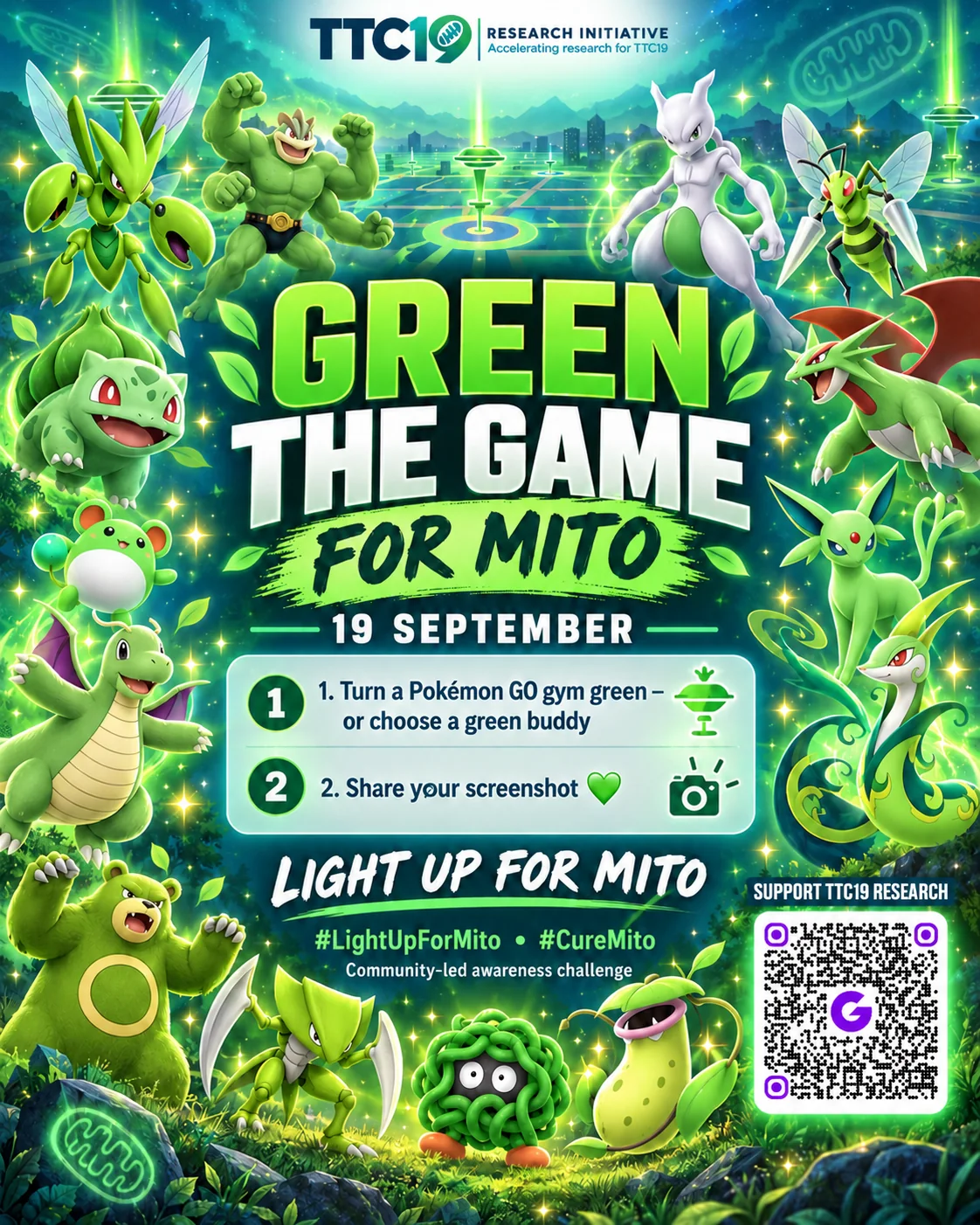
Join the community for Light Up for Mito by turning Pokémon GO gyms green or choosing a green buddy, then sharing a screenshot to help spread awareness.
See how to take part →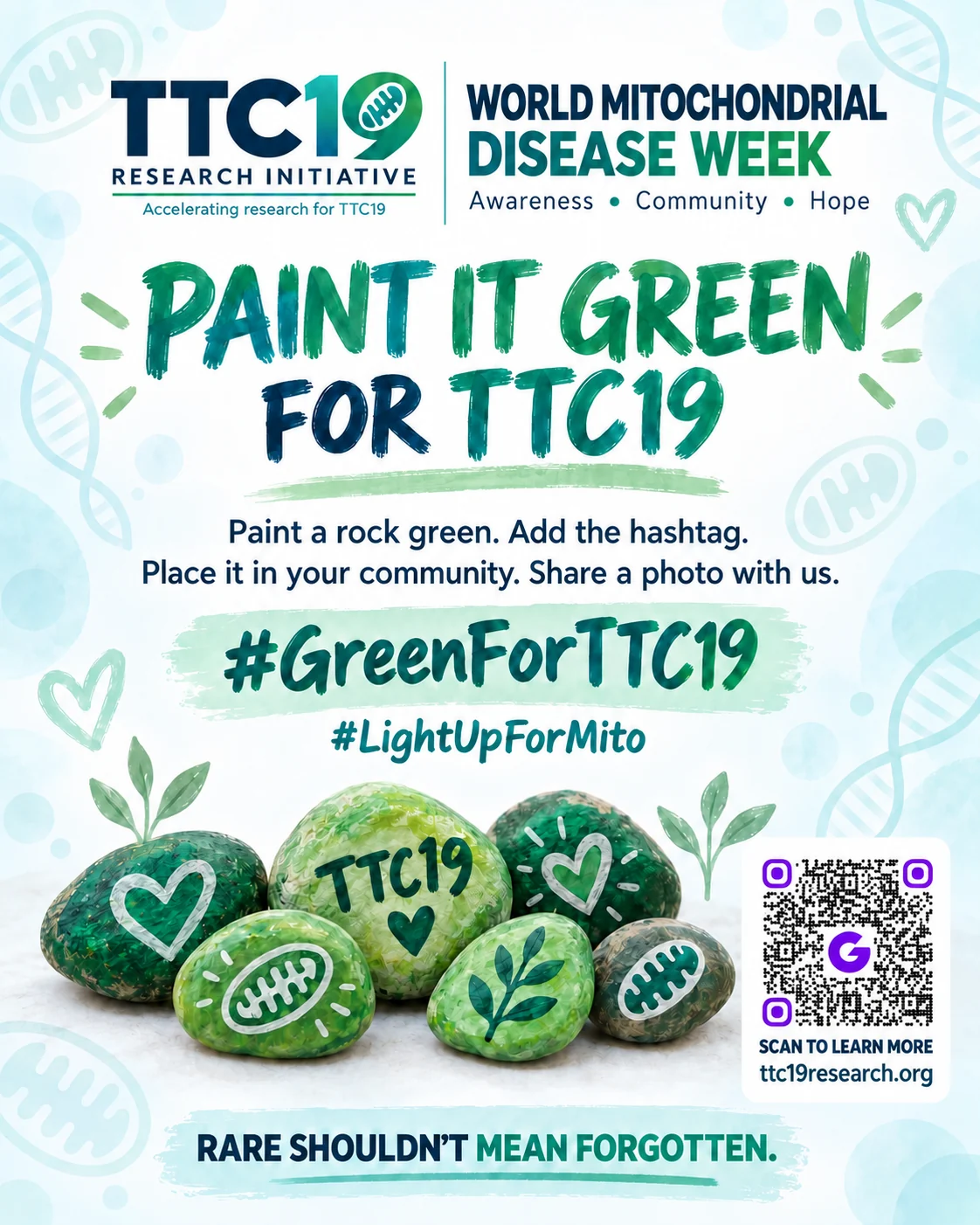
Paint a rock green, add #GreenForTTC19, place it in your community and share a photo to help TTC19 reach more people.
See how to take part →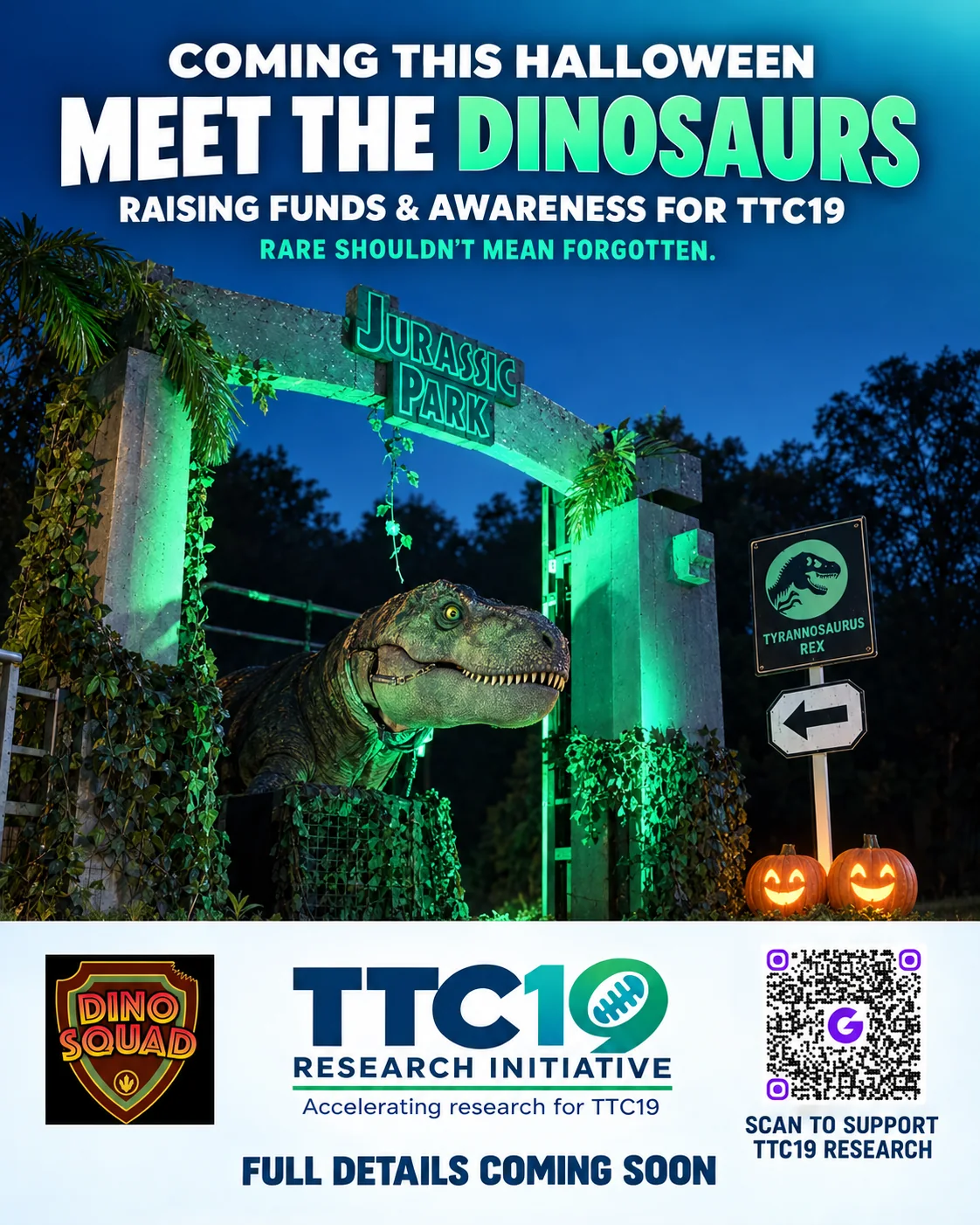
A Halloween dinosaur experience raising funds and awareness for TTC19 Research Initiative.
More details coming soon.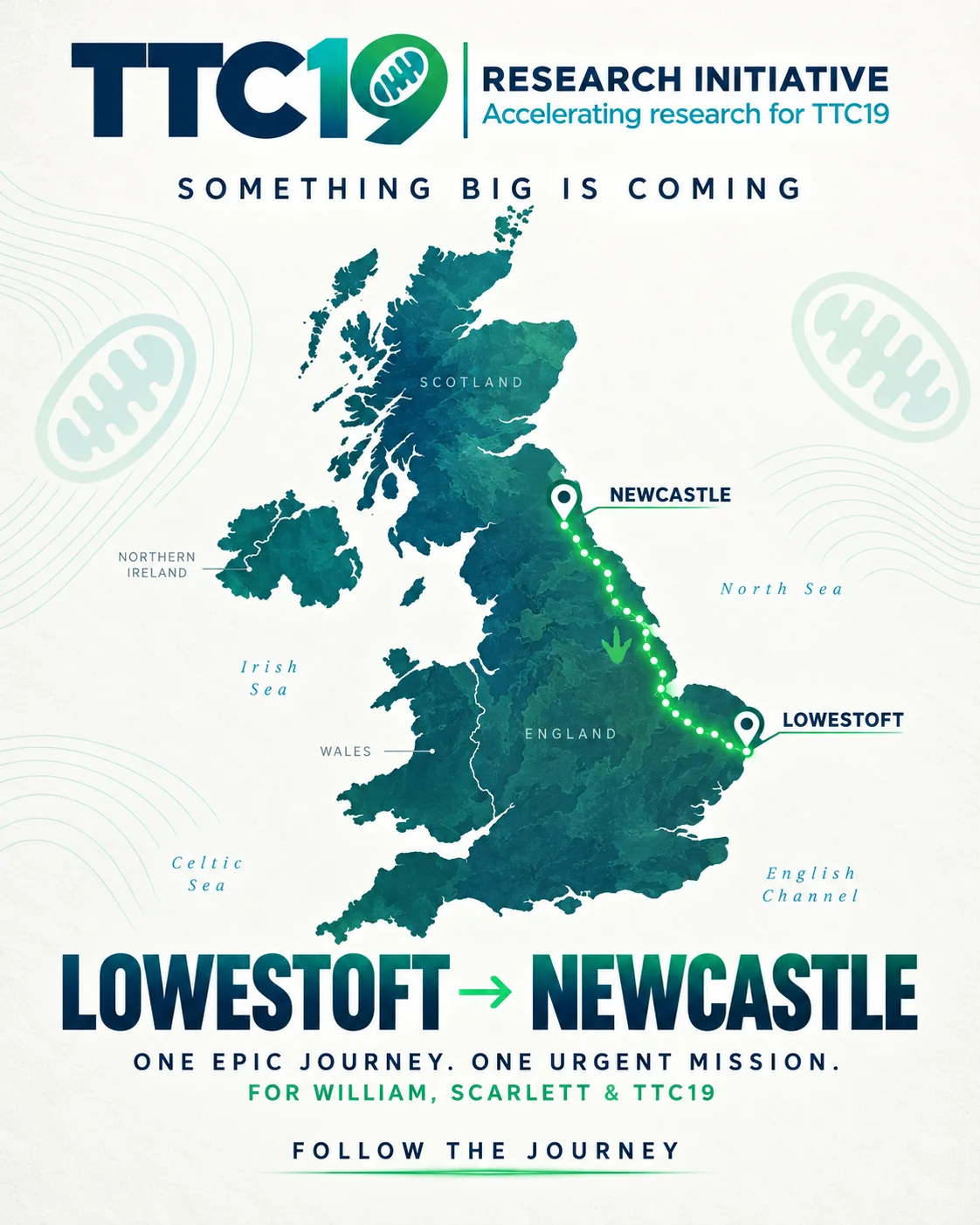
An ambitious long-distance fundraising journey from Lowestoft to Newcastle, created around one urgent mission: accelerating research for TTC19.
Full challenge details coming soon.
The mission
The initiative exists to make TTC19 easier to study, easier to understand and harder to overlook. We are careful to distinguish established evidence from research hypotheses and ideas that still need experimental validation.
See the research roadmapResearch priorities
Natural history. Understand progression and measurable outcomes.
Disease models. Build systems capable of testing rescue and candidate interventions.
Functional rescue. Ask whether normal TTC19 function can restore relevant biology.
Discovery. Prioritise therapeutic hypotheses and test them rigorously.
Get involved